
Build an approval‑ready credit profile
Understand what’s driving your credit decisions, identify items that may be unfair or inaccurate, and take a structured next step toward stronger approvals and better terms.
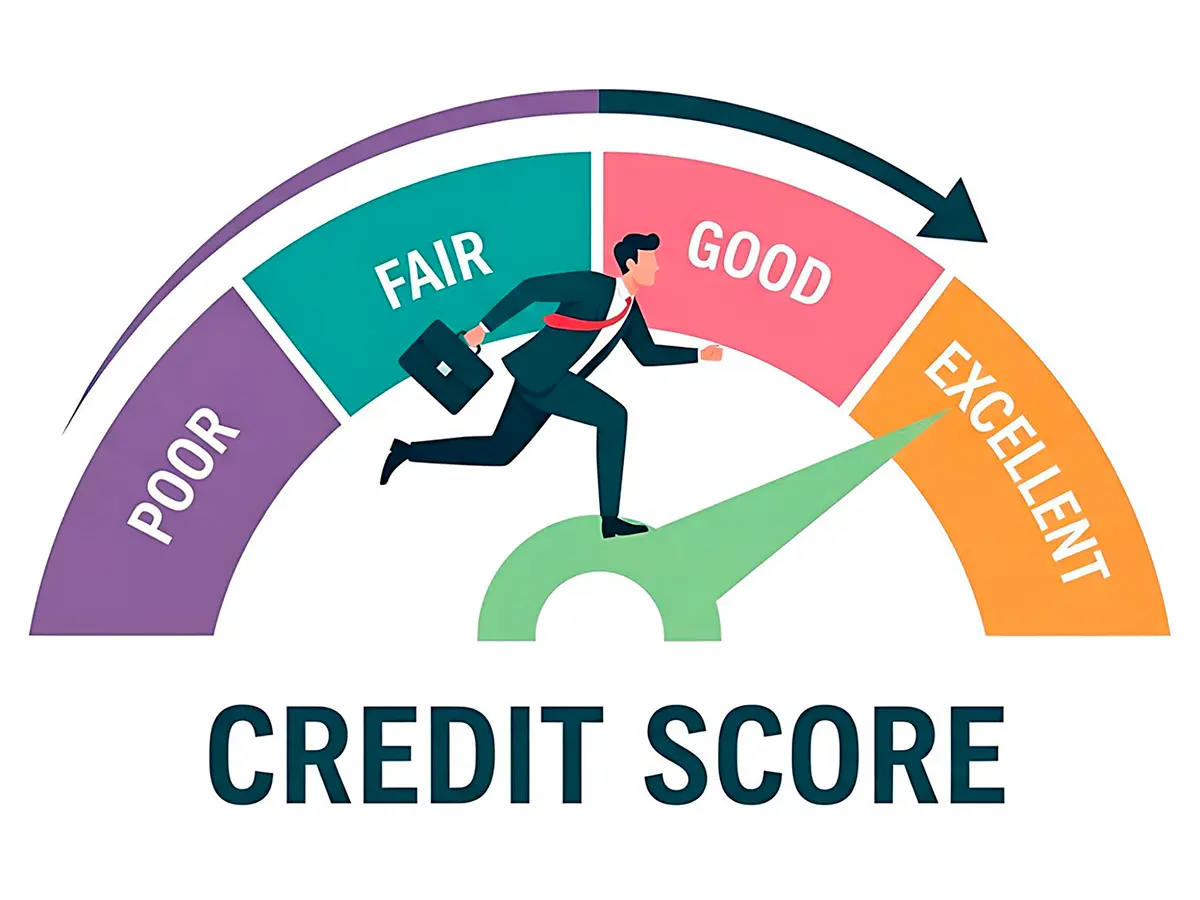
Built around established U.S. credit reporting practices and dispute procedures under the Fair Credit Reporting Act (FCRA). No unrealistic promises—just clarity, documentation, and structured credit improvement.
Unlock more options
Choose the outcome you care about. We’ll outline what improves it—and what to watch for—so you can move forward with confidence.
Your path to stronger credit
A stronger credit profile can mean better approval odds, improved loan terms, and more financial flexibility. Get a clear, no-fluff overview of what credit improvement can help you achieve — then take the next step when you're ready.
Credit decisions in the U.S. are typically influenced by payment history, utilization ratios, account age, recent inquiries, and the accuracy of reporting across major credit bureaus.
Even small inconsistencies can affect lending algorithms. A structured credit improvement approach focuses on verified data, responsible usage patterns, and consistent financial behavior.
*Results vary. This page does not guarantee outcomes.
How it works
A straightforward workflow used by reputable credit‑support programs: review, challenge what’s questionable, and build stronger habits while updates are processed.

Review your starting point
Clarify your goal and look at what’s currently affecting approvals and terms.

Identify what can be challenged
See what information is typically needed, what to expect next, and how the workflow usually looks.

Move forward
Continue to explore available options and take the next step toward better credit outcomes.
repair your credit score fast with practical, low-cost moves
You don't need pricey "fixers" to see a jump. With a smart sequence and a few dollars aimed precisely, you can create early momentum that lenders notice. Fast is possible; responsible-fast is better. Here's the calm second thought: one burst of points means little if it collapses next month. We'll chase quick wins that also protect your long-term standing.
The first 48 hours: clarity and quick wins
- Pull your reports and scores. Get free credit reports and note every late mark, collection, and balance. Circle anything inaccurate. Dispute clear errors immediately. Cost: $0. Time: under an hour. A removed mistake can add points fast.
- Lower utilization before statements close. Your reported balance is captured on the statement date. Pay small revolving balances now so each card reports under 30% - ideally under 9%. A $120 payment on a $600 limit can move the needle this month.
- Stop the bleeding: past-due accounts. If you're 30 - 59 days late, bring it current today. Then ask for a one-time "goodwill" late removal if you have prior on-time history. Be polite, concise, and persistent.
- Autopay the minimum on every card. Set it and remove the risk of new late payments. Missed payments are score killers; prevention is free.
The next two weeks: predictable points
- Request credit limit increases where issuers offer no hard pull. A higher limit reduces utilization without spending a dime. If a hard inquiry is required and you expect a mortgage or auto loan soon, skip it.
- Consider authorized-user status on a trusted person's long-aged card that keeps low balances and no late history. Confirm the issuer reports AU data. One good line can help age and utilization quickly.
- Target small balances first. Zeroing out two tiny cards can raise your score more than making a lump payment on one large card, because multiple cards at zero looks safer to lenders. Still, if interest is punishing, balance that with total cost.
- Negotiate collections carefully. Ask for "pay-for-delete" only where permitted, and get agreements in writing. If not possible, a paid collection is still better than unpaid when a human underwriter reviews your file.
A quick, real moment
At a rental counter, your deposit doubles after the clerk's soft check. You've already paid two cards below 9%, set autopay, and got a small limit increase. Thirty days later, that same counter approves the standard deposit and a lower prepay rate. Not magic - just timing, utilization, and consistency.
Habits that protect your gains
- Schedule payments five days before due dates and again three days before statement close, so reported balances stay low.
- Keep utilization under 9% per card and overall; spreading balances matters.
- Open new accounts only when value is clear. Space applications 90+ days apart. For mortgages or autos, rate-shop within a short window so inquiries count as one type.
- Keep your oldest card open; age is quiet leverage you can't rush.
Costs and traps to avoid
Skip expensive "credit repair" promises; they use the same dispute tools you have. Don't dispute accurate negatives - they often come back and waste time. Fast jumps feel great, but not if you trade groceries for a short-lived score bump. Protect cash flow first.
A simple, low-cost plan for tonight
- Download your reports and list every balance, due date, and statement date.
- Make two strategic payments to push small cards under 9% utilization.
- Turn on autopay for minimums and set calendar nudges.
- Request one no-hard-pull limit increase.
- Send one polite goodwill request on a past late.
Measure progress every 30 days, not daily. Stack small, affordable moves, and your score - plus your options - improves in ways that last.
1. Pay down your revolving credit balances - 2. Increase your credit limit - 3. Check your credit report for errors - 4. Ask to have negative entries that are paid ...
FIX Bad Credit Today https://bit.ly/3s83hUz Find Your Perfect Credit Card https://https://bit.ly/4hHbBPV Ready to boost your credit ...
1. Check your credit report for errors - 2. Prioritize paying on time - 3. Work to pay down your debts - 4. Become an authorized user - 5. Request a ...
Frequently asked questions
A clear next step — without the guesswork
See what’s impacting approvals and what may deserve a closer look.
Understand how disputes are structured and what documentation matters.
Improve utilization, consistency, and long-term credit stability.
See what improving your credit could change
Take a structured next step based on your current profile — and decide with clarity.